

Game Day in Alabama, No Ticket Required
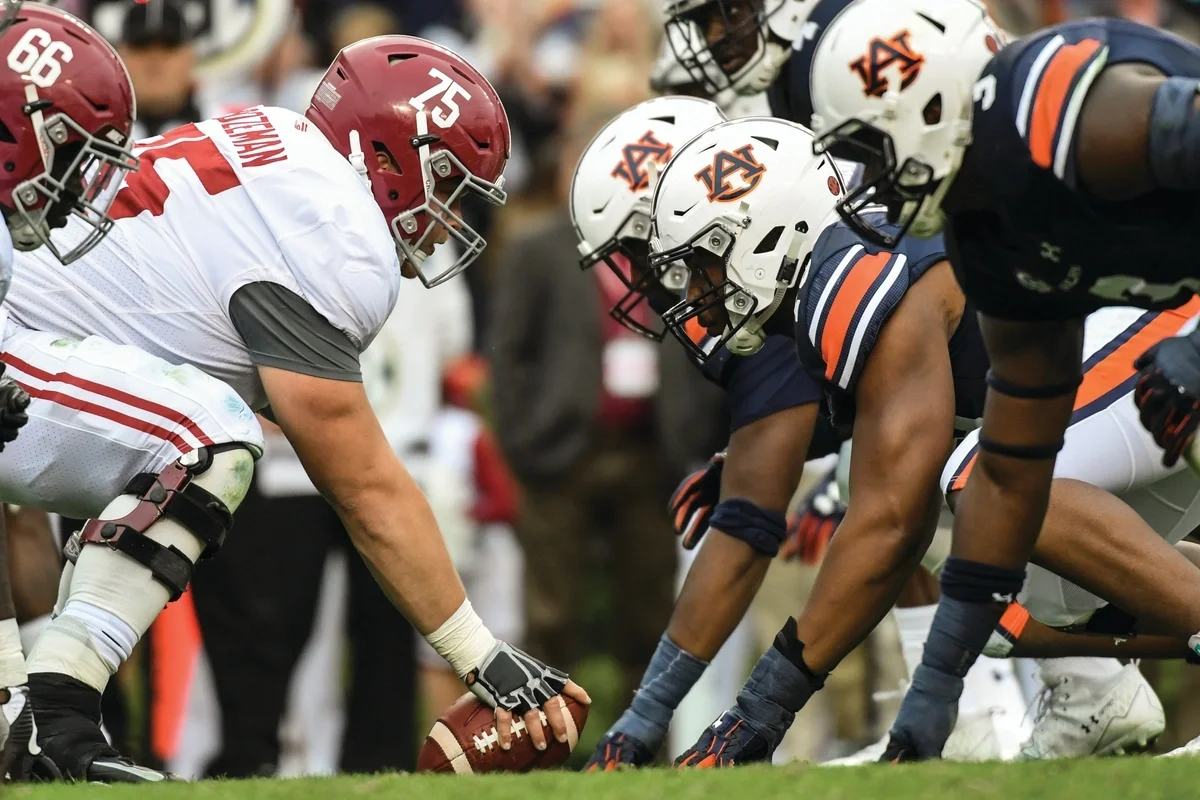
In Alabama, college football game day begins long before kickoff and stretches far beyond the stadium gates. The real experience is spread across campus quads, downtown corners, team walks, tailgates, pep rallies, bars, bands and rituals that have been repeated on so many Saturdays that they’ve become part of the culture.
The good news for visitors is that a surprising amount of it is yours for the taking, even without a game ticket or an alma mater on your résumé. You can line the street for the team arrival, learn the local battle cry, eat what true fans are eating, follow a marching band through campus, and blend right in with several thousand of your newest friends.
Think of this as your way into some of the best Alabama football traditions, from the SEC spectacles of Tuscaloosa and Auburn to the growing rituals of Birmingham, Troy and Mobile. Show up early, wear the right colors and pay attention to the people who have been doing this their whole lives. They’ll show you the rest.
University of Alabama®: Learn the Rhythm of a Tuscaloosa Game Day
Football Saturdays have their own geography in Tuscaloosa. The Quad becomes the center of activity, with tents, grills, televisions, kids throwing footballs, old friends finding one another and Denny Chimes keeping time over it all.
Start there and give yourself room to wander. Free tailgating space is still available on the west side of the Quad, and even visitors without a home base can soak up the atmosphere, watch other games, hear the band, and get pulled into conversations with people who have been setting up in roughly the same spot for years.
Get in position for the Walk of Champions
One of the essential Tuscaloosa game day experiences happens before the stadium ever opens its gates to you. The Walk of Champions at Alabama® begins about two and a half hours before kickoff, when the team arrives on the north side of Saban Field at Bryant-Denny Stadium and walks across the plaza past markers honoring championship teams and coaches.
Fans pack the route well ahead of time, so give yourself a cushion if you want a clear view. This is classic SEC theater at close range: Buses arrive, phones are held high, the noise builds, and suddenly you understand why people schedule an entire day around a game that lasts three and a half hours.
Follow the Million Dollar Band
About an hour before kickoff, the steps of Gorgas Library become the stage for Elephant Stomp, the Million Dollar Band’s pregame pep rally. The band warms up, fans crowd in and “Yea, Alabama” gets louder by the verse, with the band and fans eventually moving toward the stadium.
If you have a ticket, the education continues inside. Alabama first downs come with their own call-and-response, “Dixieland Delight” becomes a fourth-quarter mass sing-along, and a Crimson Tide® win may end with “Rammer JammerTM” rolling through the stadium.
You should also work a Yellowhammer into the schedule if you are of legal drinking age. The orange-colored cocktail at Gallettes has become enough of a Tuscaloosa game day institution that ordering one counts as field research.
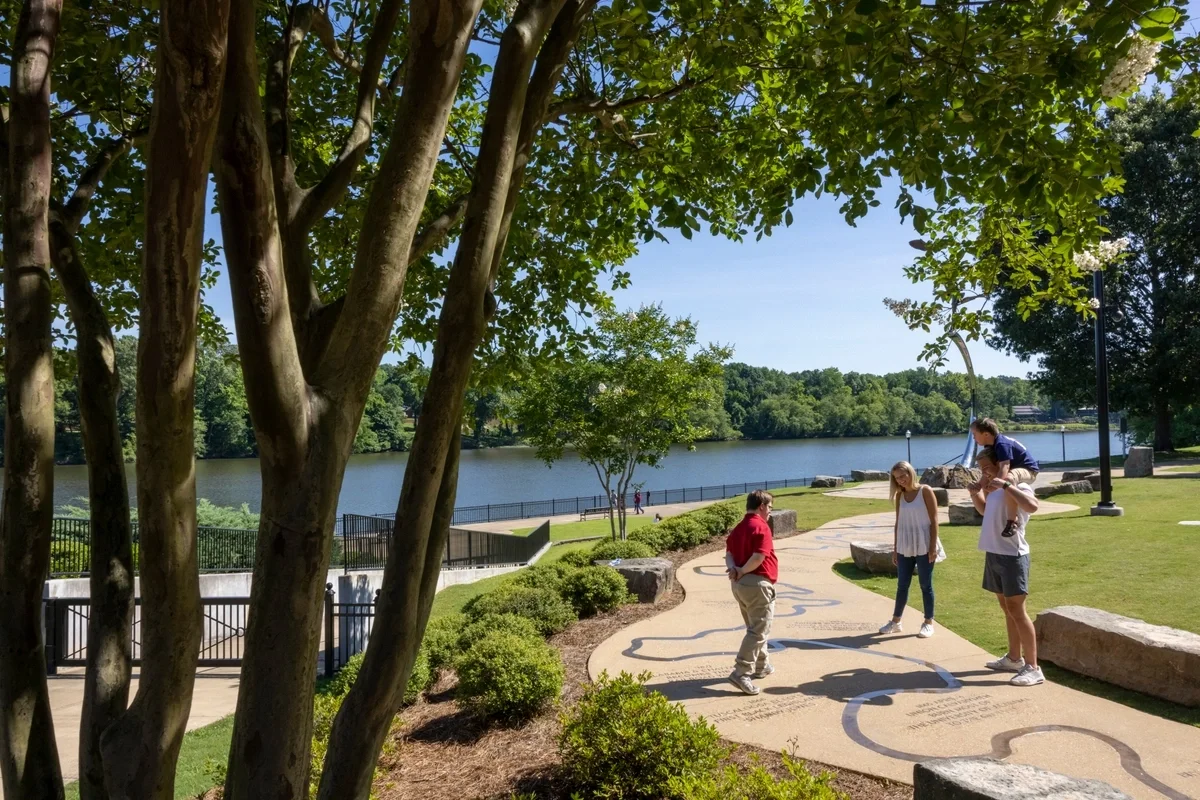
Things to do in Tuscaloosa: Downtown Tuscaloosa, the Tuscaloosa Riverfront on the Black Warrior River and the Paul W. Bryant Museum make it easy to stretch the trip beyond Saturday afternoon. The city is at its most animated on a home weekend, so leaving time to explore before or after the game is part of doing it right.
Auburn University®: Become Part of the Tradition on The PlainsTM
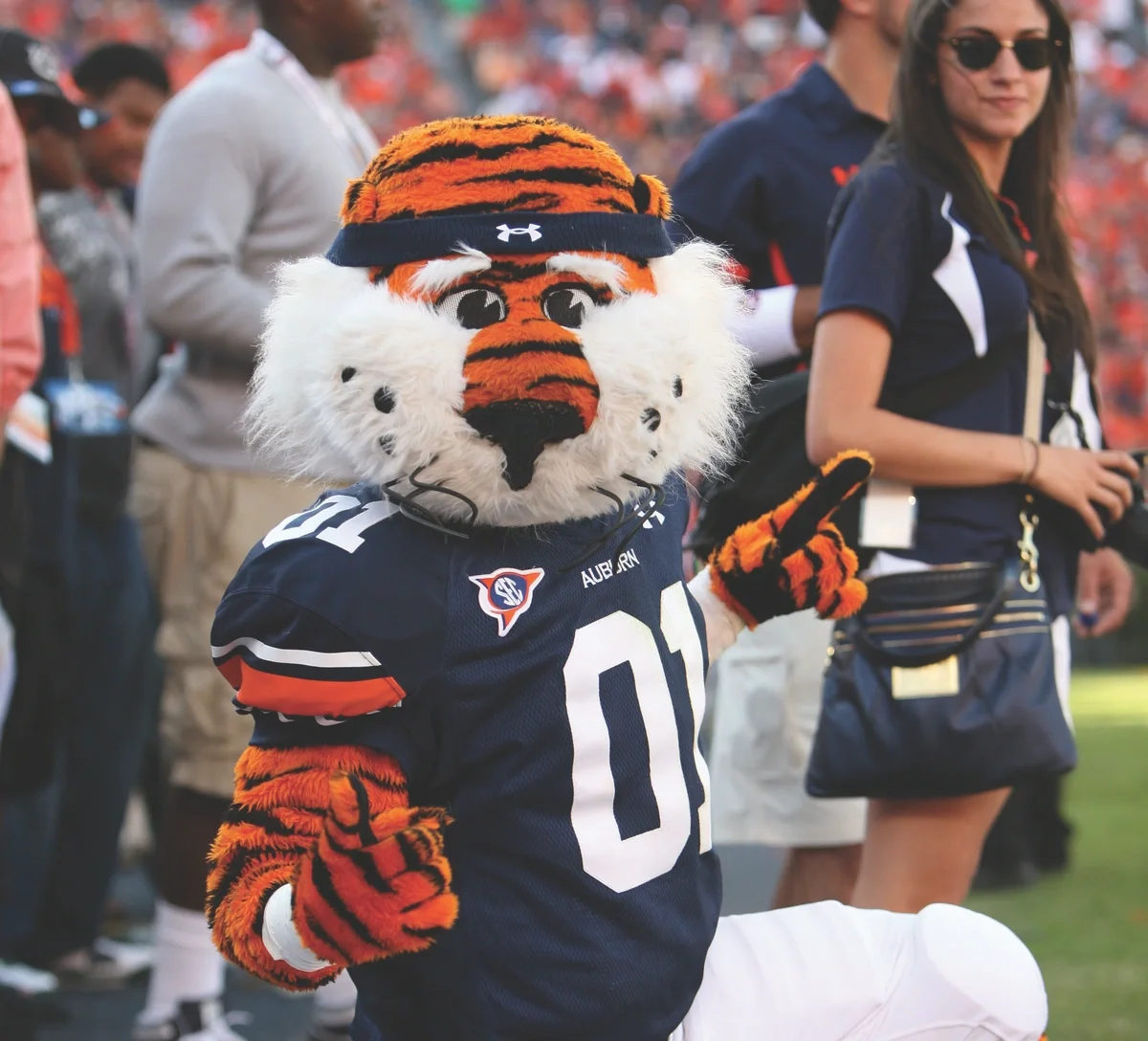
Auburn® rituals have an unusually participatory quality. “War Eagle®” works as greeting, cheer, battle cry and instant proof that you are willing to play along, while the cozy proximity of campus to downtown makes it easy to move from one tradition to the next.
For a first-timer, start around College Street and Magnolia Avenue and let the day unfold from there. Auburn has spent generations turning ordinary locations into sacred football geography, and a surprising number of those places are within an easy walk of Jordan-Hare Stadium.
Join Tiger Walk
Tiger Walk at Auburn is one of the defining team-arrival traditions in college football. Fans line the route along Donahue Drive as the players and coaches make their way toward Jordan-Hare, with music and pregame activity now building around the new Tiger Walk Plaza.
For the 2026 season, Auburn moved Tiger Walk to two and a half hours before kickoff, giving fans more time around the pregame festivities. Get there ahead of the posted time, find your place along the route, and be ready when several thousand people suddenly discover they all have outdoor voices.
Watch the War Eagle flight
If you are headed into Jordan-Hare, make sure you’re in your seat for the War Eagle flight. A trained eagle from Auburn’s raptor program circles the stadium before landing on the field while the crowd stretches “War Eagle” into one rolling chant.
The stadium flight tradition dates to 2000, though Auburn’s association with the eagle goes back much further. It remains one of those college football moments that works even if you arrived with absolutely no emotional investment in the final score.
Roll Toomer’s Corner
After an Auburn win, head for the intersection of College and Magnolia. Rolling Toomer’s Corner has been part of victory celebrations for decades, with fans covering the oaks and surrounding area in toilet paper.
Bring a roll and join in, because proficiency is not required. Before kickoff, stop at Toomer’s Drugs for the fresh-squeezed lemonade that has become its own piece of Auburn game day lore.
Inside Jordan-Hare, newer traditions keep joining the older ones. “Swag Surfin’” has become a crowd favorite, with thousands of people moving together as the stadium turns into a giant orange-and-blue wave.
Things to do in Auburn: The cities of Auburn and Opelika have enough restaurants, bars, shops and local character to make a football weekend easy to extend. Chewacla State Park is also nearby when a little trail time sounds better than another television showing the noon SEC game.
UAB: Football With a Birmingham Spark
UAB comes to game day with one of the more unusual modern stories in college football. The program was shut down after the 2014 season, returned to competition in 2017 after an enormous community effort, quickly won conference championships, and moved into Protective Stadium in Birmingham’s Uptown district in 2021.
That history still gives Blazer football a communal streak, and its downtown location changes the game day equation. Restaurants, entertainment spots, hotels, and pregame activities are all packed into the surrounding city rather than isolated on a traditional college campus.
Start at Blazer Village
Blazer Village is UAB’s main pregame gathering place, with live music, interactive activities, appearances and plenty happening outside Protective Stadium. For the 2026 season, UAB continues to position it as the hub of the pregame experience and encourages visitors to arrive early enough to spend time there.
Then find the route for Blazer Walk. Timing varies by kickoff, but for UAB’s 2026 home opener the team walk began a little more than two hours before the game, with fans lining Uptown alongside the Marching Blazers and spirit teams.
If you are inside for the fourth quarter, Blazer Thunder is your cue to get your hands involved as the Marching Blazers drive the crowd with a rhythmic clap. Stadium promotions and traditions evolve, so UAB’s current game day guide is worth checking before each visit.
Things to do in Birmingham: Protective Stadium gives you one of the easiest football weekends to fold into a broader city trip. Uptown, City Walk BHAM, downtown restaurants, breweries, museums and Birmingham’s food scene are all close enough to keep your itinerary moving long after the final whistle.
Troy University: Game Day at The Vet
Troy football gives you the college-town version of game day at a scale where everything stays close. Veterans Memorial Stadium, better known as The Vet, sits at the heart of a Saturday built around tailgating, the Sound of the South marching band, longtime fans, and a program with deep roots beyond its current Sun Belt identity.
The intimacy is part of the charm. You can get close to the band, close to the players, and close to wonderfully specific traditions that likely could have developed only in Alabama.
Meet the team at Trojan Walk
Trojan Walk brings players and coaches down University Avenue, across Tailgate Terrace, and toward Veterans Memorial Stadium while fans and the Sound of the South welcome them in. Troy currently schedules the walk about two hours and 15 minutes before kickoff, though checking the specific game day schedule is always smart.
Stay close to the band once the game begins because the Sound of the South is a major piece of Troy’s identity rather than background music between plays. Pregame and halftime performances are part of the show, and longtime fans know better than to use halftime as an automatic concession run.
Then comes one of the finer examples of Alabama football logic: the Conecuh T-shirt Cannon. Troy’s 2026 game day promotions still include the launcher, along with fourth-quarter fireworks at selected home games, creating a Saturday where smoked sausage branding and pyrotechnics can coexist quite comfortably.
Things to do in Troy: Tailgate Terrace can carry a good chunk of the day on its own, but downtown Troy and local favorites such as Sisters’ give visitors an excuse to stay hungry. The town’s smaller scale makes it especially approachable for somebody looking for the traditions of college football without the logistical intensity of a six-figure stadium crowd.
South Alabama: Get In While the Traditions Are Still Young
The University of South Alabama has the rare advantage of being young enough for fans to remember when many of the school’s traditions began. The Jaguars first took the field in 2009 and now play on campus at Hancock Whitney Stadium, where students, alumni and Mobile locals are continuing to build the rituals that will eventually be handed to another generation.
That makes a South Alabama game especially fun for visitors. There’s history here but also a sense that everyone in the stadium is helping decide which ideas will stick for the next 50 years.
Catch The Prowl
The Prowl is South Alabama’s team-arrival tradition, giving fans a chance to gather along the Jaguars’ route and welcome them before kickoff. Timing depends on the game; for Homecoming 2026, The Prowl and parade are scheduled two hours and 45 minutes before kickoff.
Homecoming is especially good territory for visitors because the celebration reaches well beyond football. The 2026 schedule includes a public pep rally, food trucks, live music, a bonfire, fireworks, tailgating and other campus traditions surrounding the game.
Inside Hancock Whitney, learn “South!” and keep an eye out for the Jaguar mascots, SouthPaw and Miss Pawla. South Alabama game day has room for Mobile’s personality as well, and themed weekends have drawn on the city’s Carnival culture for experiences firmly connected to the Gulf Coast.
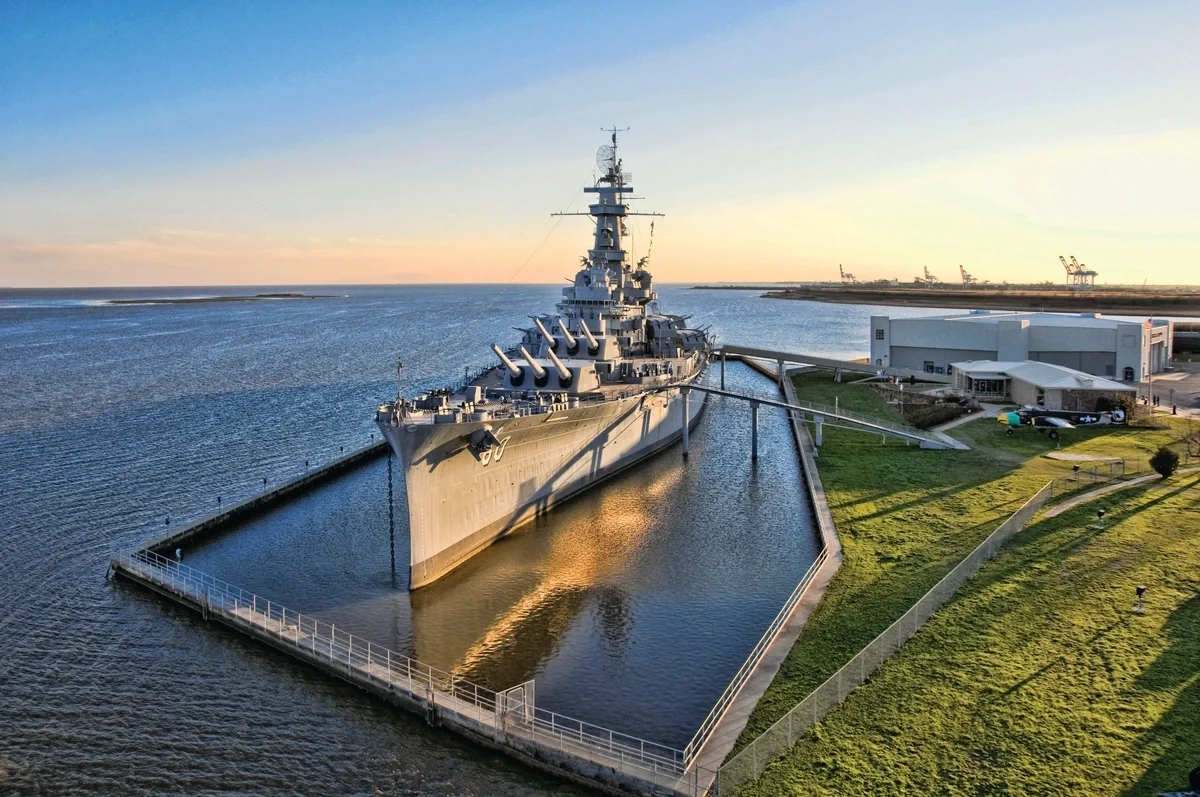
Things to do in Mobile: Mobile gives you an unusually deep bench for the rest of the weekend. Downtown and Dauphin Street, fresh Gulf seafood, the USS Alabama, historic neighborhoods and the city’s Carnival heritage can turn a Jaguars game into a much bigger coastal trip.
Alabama State University: Let the Band Take Over
An Alabama State game day in Montgomery comes with the full HBCU treatment. ASU has been playing football since 1901, and it carries a history few campuses can match. In the mid-1950s Alabama State students and faculty helped power the Montgomery Bus Boycott, and today the Hornets play at ASU Stadium, an on-campus venue that opened in 2012 and sits about a mile from the Cramton Bowl.
That history gives Hornets football a homecoming feel nearly every Saturday. Alumni reconnect in the lots, Greek organizations come out in force, and families make a full day of it. The biggest crowds in the stadium’s history have come for the Turkey Day Classic against Tuskegee, the Thanksgiving rivalry that dates to 1924 and is considered the first Black college football classic.
Start in the Tailgate Lots
The scene outside ASU Stadium is a big part of the experience, with tents, grills and a street next to the stadium packed with fans well before kickoff. Tailgating runs on permits, and for the biggest games setup starts a day or more ahead, so plan early if you want to host a spread of your own.
Then get to your seat before the Mighty Marching Hornets take the field. The band has led the Rose Bowl Parade, appeared in Beyoncé’s “Homecoming” and marches under the motto “The Price of Glory Is High.” The Stingettes and Honey Beez share the spotlight. When a SWAC opponent brings its own band, halftime turns into a showcase. Stay after the final whistle for the Fifth Quarter, when the bands keep playing in the stands. Kickoff times and stadium policies change from game to game, so check ASU’s current game day guide before each visit.
Things to do in Montgomery: ASU Stadium puts you minutes from some of the most important civil rights sites in the country. The Legacy Museum, the National Memorial for Peace and Justice, Dexter Avenue King Memorial Baptist Church and the Rosa Parks Museum are all close enough to fill the rest of your weekend, along with downtown restaurants and the riverfront.
Tuskegee University: Football With History All Around You
A Saturday at Tuskegee comes with layers. The Golden Tigers fielded their first team in 1894, and the program has won more games than any other HBCU, along with a record number of SIAC championships. Home games are played at Cleve L. Abbott Memorial Alumni Stadium, named for the coach and athletic director who helped build Tuskegee into a national athletic power.
The campus around the stadium deepens the experience. Booker T. Washington founded Tuskegee in 1881, George Washington Carver did his life’s work here, and the Tuskegee Airmen trained just down the road. Football weekends bring alumni, families and the Marching Crimson Pipers back to the Yard, and the energy reflects how much this place has meant to generations of Americans.
Start on the Yard
Homecoming is Tuskegee’s signature weekend. It is a full week of events that include a parade, a step show and a convocation in the Tuskegee University Chapel, building toward the homecoming game at Abbott Stadium. In 2026, homecoming week runs Nov. 1-8, with the Golden Tigers hosting Miles College. Tent and RV tailgating packages sell for homecoming, and game day parking is off-site, so buy tickets and parking ahead of time.
The rivalry also travels. Every Thanksgiving, Tuskegee and Alabama State meet in Montgomery for the Turkey Day Classic, the oldest HBCU rivalry in the country. Tuskegee won the first one in 1924. Schedules, kickoff times and bag policies change from season to season, so check Tuskegee Athletics’ current game day information before each visit.
Things to do in Tuskegee: Build in time before or after the game for Tuskegee Institute National Historic Site, which includes The Oaks and the George Washington Carver Museum. Tuskegee Airmen National Historic Site at Moton Field is also nearby, and Tuskegee National Forest and Montgomery are both an easy drive away.
Rivalry Week Turns Everything Up
Every one of these places changes when the right opponent comes to town. The games bring fuller tailgates, earlier arrivals and more complicated family loyalties. Even a first-time visitor senses a different atmosphere during rivalry week.
The Iron Bowl
The Iron Bowl pitting Alabama against Auburn arrives in late November and alternates between Tuscaloosa and Auburn. In 2026, Alabama will host Auburn on November 28 at Saban Field at Bryant-Denny Stadium.
A ticket is valuable, but the weekend itself offers plenty to experience outside the stadium. The Quad in Tuscaloosa or the campus and downtown scene in Auburn reach another level when the state’s biggest rivalry comes to town, making the Iron Bowl worth considering even if your plan ends at the gates.
The Battle for the Belt
Troy and South Alabama play for actual hardware in the Battle for the Belt, an in-state Sun Belt rivalry that has been building since the trophy was introduced in 2015. South Alabama is hosting the matchup in Mobile during the 2026 season, giving visitors another way to witness the particular tension that comes when the opponent’s fans do not have very far to drive.
For travelers who like rivalry energy at a more approachable scale, this one is worth experiencing. Troy and South Alabama are young schools among NCAA Football Bowl Subdivision rivalries, so you can watch the traditions and grudges accumulate in real time.
Alabama Football Game Day FAQs
Can I experience a college football game day in Alabama without buying a ticket?
Absolutely. Many signature traditions happen outside the stadium. These include Alabama’s Walk of Champions, Auburn’s Tiger Walk and Toomer’s Corner, UAB’s Blazer Village, Troy’s Trojan Walk, South Alabama’s The Prowl, Alabama State’s tailgate scene outside ASU Stadium and Tuskegee’s homecoming parade. Pick a campus, check the official game day schedule and arrive early enough to enjoy the tailgates, bands, food and pregame rituals.
How early should I arrive for a football game day in Alabama?
Plan on arriving several hours before kickoff. Alabama’s Walk of Champions and Auburn’s Tiger Walk currently happen about two and a half hours before the game, and other team walks follow similar schedules. On many campuses, tailgates are underway by morning, and some lots open the day before. Rivalry weekends and homecomings deserve even more time for traffic, parking and soaking up the scene.
What should a first-time visitor wear and bring?
Wear the home team’s colors and comfortable shoes because you’ll probably walk more than expected. Pack light and dress for the forecast, especially during hot early-season games. Most stadiums enforce a clear bag policy, so check the current rules before you pack.
Where should I park, and how hard is it to get around?
Check the school’s official game day information before leaving home. Parking plans, road closures, shuttles and reserved lots change from game to game. For the biggest weekends, some schools move parking off-site or run shuttles, so buy parking and tickets ahead of time when you can. Arriving early makes navigating campus considerably easier.
What is the best football game day in Alabama for a first-time visitor?
It depends on the Saturday you want. Tuscaloosa brings massive SEC spectacle, Auburn packs in highly participatory traditions and Birmingham makes football easy to combine with a city weekend. Troy delivers classic college-town energy, South Alabama offers a newer game day culture in Mobile, Alabama State brings an HBCU band showcase to Montgomery and Tuskegee surrounds football with deep history. Rivalry weekends turn everything up another notch.
What are the biggest college football rivalries in Alabama?
The Iron Bowl between Alabama and Auburn is the state’s most famous, and it takes over late November. Troy and South Alabama play for a championship belt in the Battle for the Belt. Alabama State meets Alabama A&M in the Magic City Classic at Birmingham’s Legion Field. Alabama State and Tuskegee renew the nation’s oldest HBCU rivalry in Montgomery’s Turkey Day Classic. Check each school’s schedule for dates, since some rivalries move around the calendar.